Georgian to Art Deco: A Collector's Guide to Jewellery Eras
Ask any dealer how they date a piece of jewellery at a glance and they'll tell you the same thing: the era announces itself. The cut of the stones, the colour of the gold, the way a clasp closes — each period has habits that are surprisingly hard to fake and wonderfully satisfying to learn. Here's how to recognise the major eras you'll meet when buying preloved and antique jewellery, and what each one is like to live with.
Georgian (1714–1837)
Jewellery from the reigns of the four Georges is now rare, and almost everything about it says handmade: closed-back settings with foil behind the stones to boost their fire in candlelight, rose-cut and old mine-cut diamonds with soft, irregular sparkle, and high-carat gold worked into cannetille filigree or repoussé. Motifs run to ribbons, bows, crescents and memorial themes. Genuine Georgian pieces rarely carry full hallmarks, so construction and cut are your dating tools — and reproduction abounds, which is why provenance matters at this end of the market.
Victorian (1837–1901)
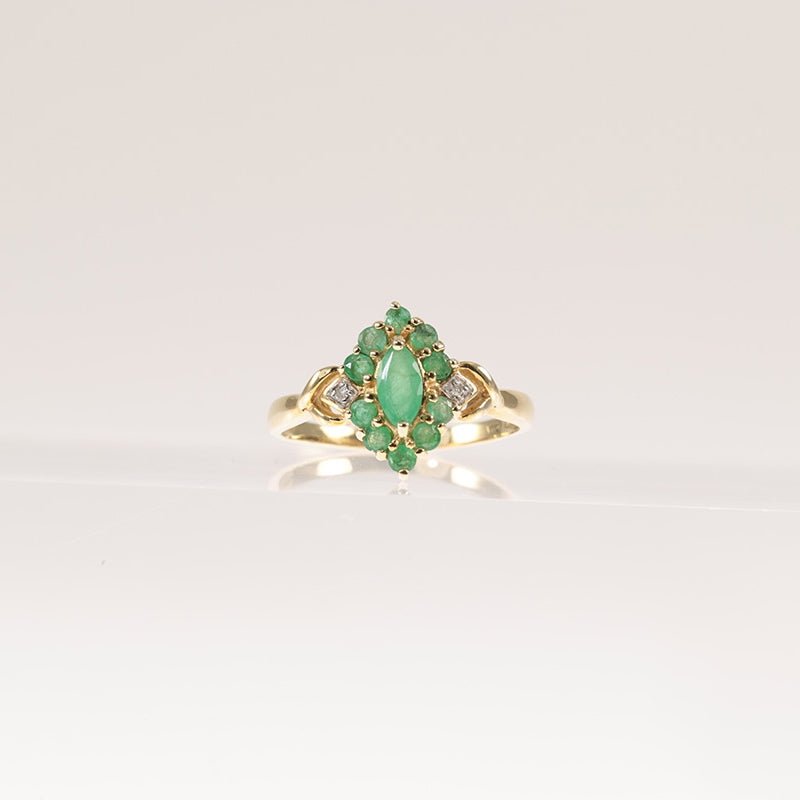
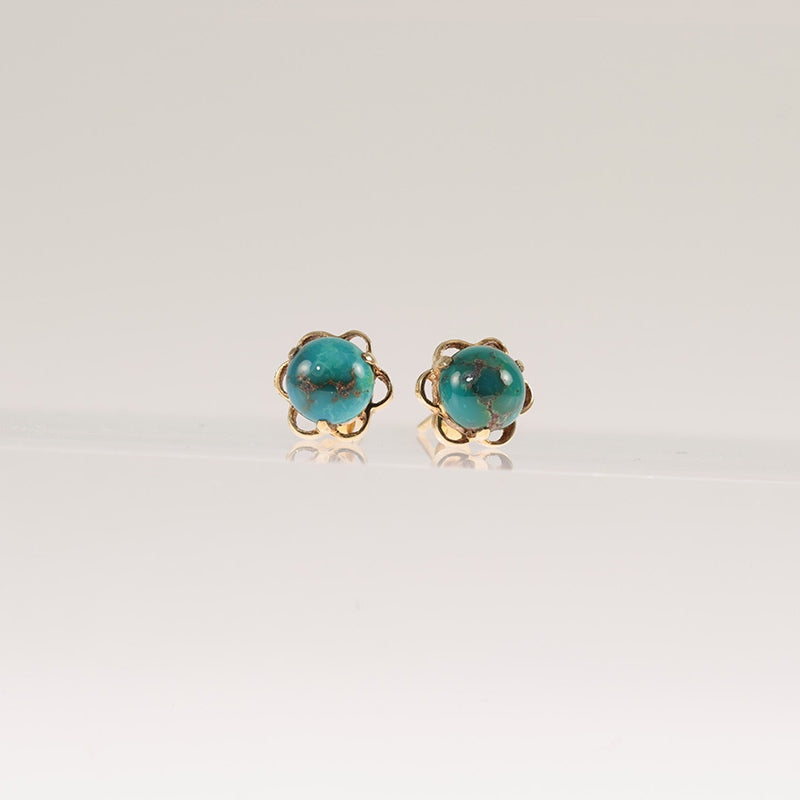
Queen Victoria's 64-year reign spans three distinct moods. The Romantic period (1837–60) is sentimental: snake rings (Albert's engagement ring to Victoria was a serpent), lockets, hearts, turquoise and seed pearls, and the warm glow of 15ct and 18ct gold. The Grand period (1860–85) turns sombre and substantial after Albert's death — jet, onyx and heavy archaeological-revival gold — while new discoveries flooded the market with silver and, after 1867, South African diamonds. The Aesthetic period (1885–1901) lightens everything: smaller, more delicate pieces, stars and crescents, and the rise of the diamond cluster. Victorian jewellery is the sweet spot for modern collectors — plentiful enough to be affordable, old enough to feel like history. Look for C-catch brooch fittings, early lever-back earrings and that unmistakable buttery colour of old gold; many of the antique rings and earrings that pass through our workshop are Victorian.
Edwardian (1901–c.1915)
The garland era. Platinum arrives in earnest, and with it a lace-like delicacy no earlier metal could achieve — knife-edge settings, millegrain borders like rows of tiny beads, swags, bows and wreaths. Diamonds and pearls dominate, often on “white on white” designs of exceptional refinement. If a piece looks like it was made of frost, it's probably Edwardian.
Art Nouveau (c.1890–1910)
Running in parallel with the Edwardian mainstream, Art Nouveau is its bohemian cousin: flowing whiplash lines, dragonflies, female profiles with streaming hair, and a preference for artistry over intrinsic value — enamel (especially plique-à-jour), moonstone, opal and horn. Genuine Art Nouveau jewels are hugely collected and widely reproduced; the quality of the enamelling is usually the tell.
Art Deco (1920s–1930s)
The era everyone recognises: geometry, symmetry and contrast. Platinum and the new white gold carry calibré-cut sapphires, rubies and emeralds against diamonds; onyx and coral add graphic punch; and new diamond cuts — baguettes, emerald cuts, early round brilliants — replace the soft old cuts. Filigree die-stamped white gold rings from this period remain some of the best value in antique jewellery. Deco's clean lines are why it never really left fashion, and why honest 1920s pieces are increasingly outnumbered by “Deco style” reproductions — check for platinum or white gold (not rhodium-plated silver), hand finishing, and appropriate wear.
Retro and Mid-Century (1940s–1960s)
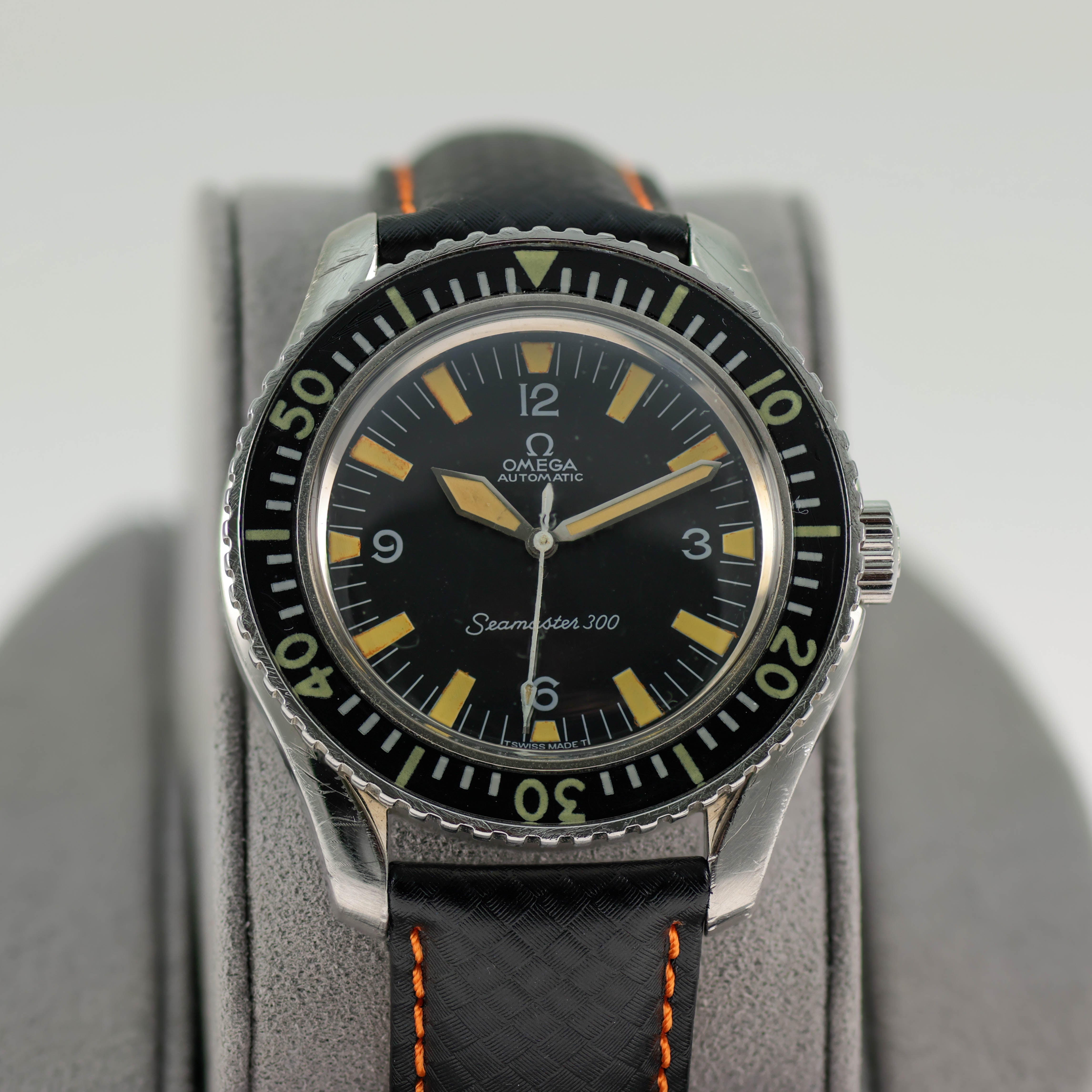
Wartime and post-war jewellery goes big and warm: rose and yellow gold in bold, sculptural scrolls and tank-track bracelets, large citrines and amethysts, and cocktail rings with real presence. Platinum was requisitioned for the war effort, so gold rules. By the 1950s and 60s, texture takes over — bark finishes, brushed gold, and the return of diamonds for a newly prosperous middle class. These decades are today's fastest-growing collecting area, and much of our pendant and necklace stock — and mid-century watches — comes from them.
Vintage vs antique: the terms
Strictly, antique means over 100 years old — so as of today, everything up to the mid-1920s qualifies, with Art Deco crossing the line year by year. Vintage is looser, generally meaning 20–50+ years old. “Preloved” simply means previously owned, whatever the age. We use all three carefully in our listings, because they mean different things for rarity and price.
Dating a piece: the practical checklist
- Hallmarks first — a date letter can settle the question instantly; our complete hallmarks guide shows you how to read them.
- Stone cuts — rose and old mine cuts suggest Georgian/Victorian; old European cuts c.1890–1930; modern brilliants after the 1940s.
- Findings — C-catches, shepherd hooks and screw-backs each have their period; safety clasps and butterfly backs are 20th century.
- Metal colour — platinum before white gold (1920s onward for white gold's popularity); rose gold points Retro.
- Construction — hand-cut settings, foil backs and irregularity mean age; casting seams and machine perfection mean later manufacture.
The joy of era-collecting is that the knowledge compounds — once you can spot an Edwardian millegrain edge or a Retro scroll across a shop window, you'll never unsee it. Browse the current collection of preloved fine jewellery with fresh eyes, and if you'd like help placing a piece — ours or your grandmother's — we're always happy to look.