The Pros and Cons of Buying Preloved Jewellery: A Complete Guide
When it comes to adding sparkle to your collection, preloved jewellery offers a compelling alternative to buying brand new pieces. Whether you're drawn to vintage charm, sustainable shopping, or simply hunting for exceptional value, the secondhand jewellery market has grown tremendously in recent years. But like any purchase decision, there are both advantages and considerations to weigh.
The Advantages of Preloved Jewellery
Exceptional Value for Money
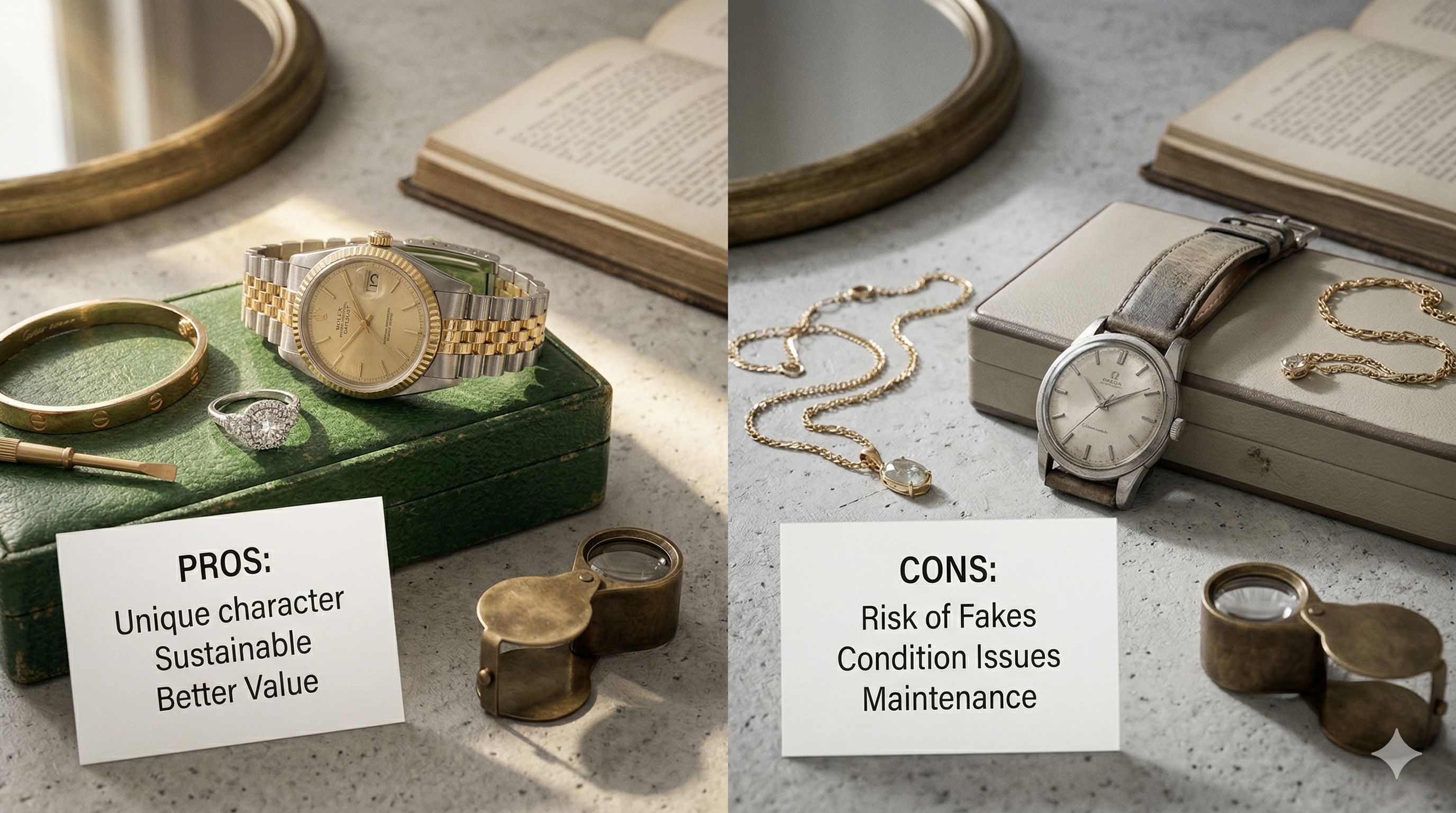
Perhaps the most attractive benefit of buying preloved jewellery is the significant cost savings. Quality pieces often sell for 30-70% less than their original retail price, meaning you can afford higher-quality materials, better craftsmanship, or larger gemstones than you might otherwise consider. A preloved diamond ring that would cost £5,000 new might be available for £2,500-3,000 in excellent condition—that's real money saved without compromising on quality.
Access to Unique and Vintage Designs
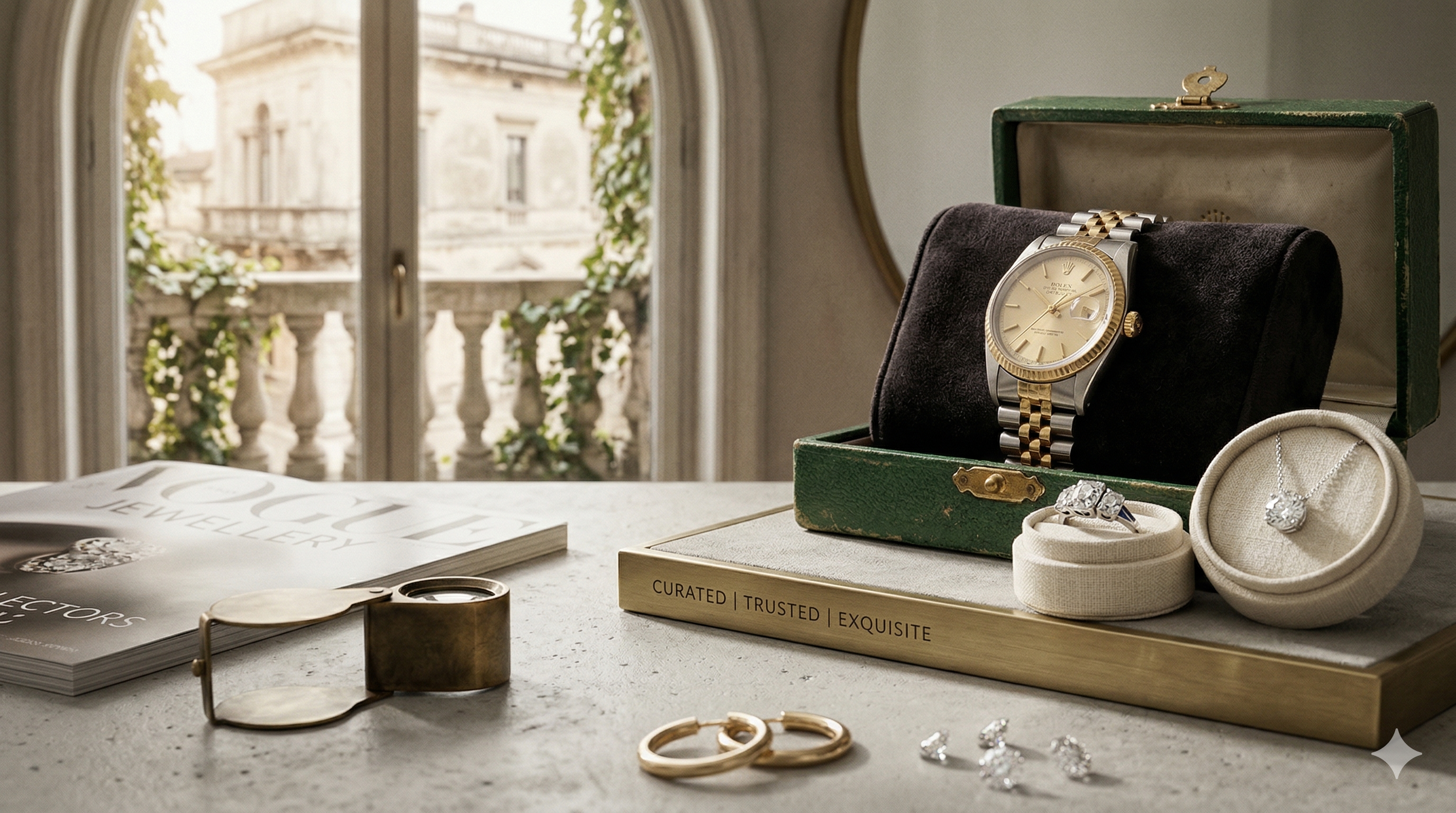
Preloved jewellery opens doors to designs you simply won't find in contemporary collections. Art Deco rings from the 1920s, Victorian lockets, or discontinued collections from prestigious jewellers offer character and individuality that mass-produced pieces can't match. You're not just buying jewellery; you're acquiring a piece of history with its own story to tell.
Sustainability and Ethical Considerations
Choosing preloved jewellery is an environmentally conscious decision. The jewellery industry's environmental footprint—from mining to manufacturing—is substantial. By purchasing secondhand, you're extending the life of existing pieces rather than driving demand for new resource extraction. For those concerned about ethical sourcing, preloved pieces sidestep questions about modern mining practices entirely.
Investment Potential
Quality preloved jewellery, particularly from renowned makers or featuring exceptional gemstones, can hold or even increase in value over time. Vintage Cartier, Tiffany, or Van Cleef & Arpels pieces are sought after by collectors, and certain styles appreciate as they become rarer.
The Considerations
Authentication and Quality Assurance
The preloved market requires more due diligence than buying new. You'll need to verify authenticity, assess condition, and ensure any gemstones are accurately represented. Working with reputable dealers who provide certifications, detailed photographs, and return policies is essential. This extra research takes time but protects your investment.
Limited Warranty and After-Sales Support
Unlike new jewellery that typically comes with manufacturer warranties, preloved pieces are usually sold as-is. While reputable sellers may offer some guarantees, you won't have the same long-term support you'd receive from a brand's boutique. Factor in potential restoration or repair costs when budgeting.
Sizing and Customisation Limitations
Vintage and preloved pieces may require resizing or repairs, and some antique designs can't be easily altered without compromising their integrity. Intricate settings or delicate metalwork might limit modification options, so ensure any piece can be adjusted to your needs before purchasing.
Making the Right Choice
For most buyers, the advantages of preloved jewellery far outweigh the considerations—especially when purchasing from established dealers who specialise in quality secondhand pieces. The combination of value, uniqueness, and sustainability makes preloved jewellery an intelligent choice for engagement rings, special occasion pieces, or building a distinctive collection.
The key is doing your homework: research the seller, understand what you're buying, and don't hesitate to ask questions. With the right approach, preloved jewellery offers the best of all worlds—exceptional quality, distinctive style, and outstanding value that new pieces simply can't match.